


Building a Dam on My Land
Runtime: 31:06
Country: Philippines
Language: English, Tagalog
Category: 2019 | Short Documentaries/TV Documentaries (2019)
Director
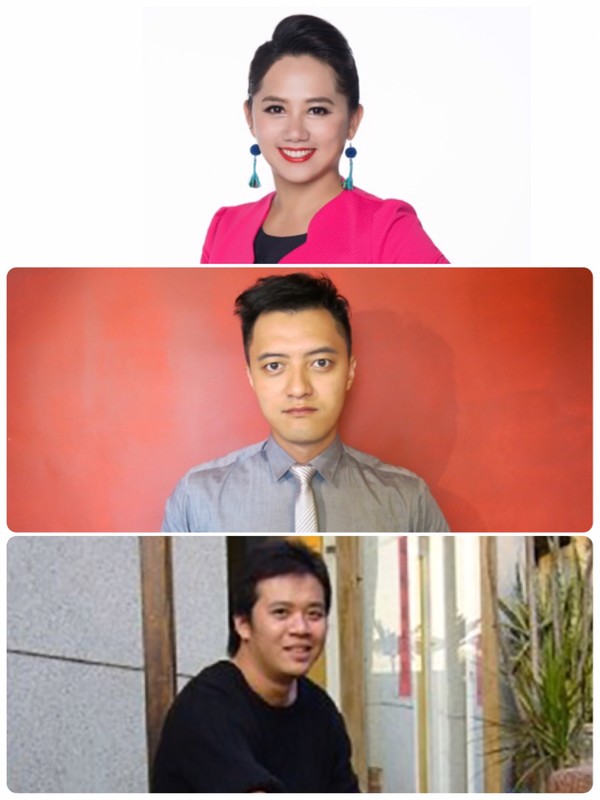
reports Lima
Tuhi Martukaw was born in the Kasavakan community of the Pinuyumayan people in Taitung County. She received her BA in diplomacy from National Cheng Chi University’s and her MA in European studies from the University of Hamburg’s Faculty of Business, Economics and Social Sciences, and she is now pursing her PhD in communications from Shih Hsin University. Starting in her student days, she has been a passionate observer and participant in advocacy and research for indigenous rights, gender issues, youth empowerment, and climate and environmental change issues. She has been a legislative aide, a research assistant at National Taiwan Normal University’s Indigenous Research and Development Center, and a news editor and anchor at Taiwan Indigenous Television. Since 2006, she has continually participated in the United Nations Permanent Forum for Indigenous Issues, as well as other international meetings and domestic policy initiatives on indigenous rights. In addition to her international work, she founded the LIMA Taiwan Indigenous Youth Group in 2013, working to empower Taiwanese indigenous youth on international and public issues, as well as fostering international connections. She is now a freelance media professional, translator, policy researcher, and organizer. She is dedicated to transforming her social activism experience at home and abroad into videos, stories and interviews that convey indigenous perspectives. She also aims to connect international and grassroots experiences to promote awareness of the challenges facing indigenous societies.
Awi Pawan was born in the Alang snuwing community of the Seediq people, in Ren’ai Township, Nantou County. He received his MA from Shih Hsin University’s Graduate Institute for Social Transformation Studies. Aware of the gap between the education young people receive and the environment, history, and culture they are situated in, he focused his research on cultural sensitivity and participation among young populations. He also has many years of experience working to empower young people to learn about and participate in indigenous culture and public issues. To achieve this goal, he has used alternative media as well as cultural and artistic action to ensure that the voices of indigenous people are heard and their culture passed on. He is also active in community affairs and indigenous youth education. He has been a project director at Shih Hsin University’s Center for Indigenous Peoples’ Cultures, Communications, and Empowerment, and he has acted on television, film, and stage. In the broadcasting field, he has been an associate producer, program planner and video journalist for television, using his television work to spread awareness of social and indigenous issues.
(Ulang): I grew up in Tainan, unaware of my indigenous Siraya (commonly called Pingpu, or Plains) heritage. Only in adulthood, when I saw the “civilized” marking on my family’s Japanese-era household registration, did I realize that Taiwan is a land rich with so much more than the “Han culture” we learn about in history class. There are so many cultures and histories we need to search for and learn about in order to truly know who we are.
I original worked in editing for dramas, but I ended up at Taiwan Indigenous Television through a twist of fate; at TITV I grew aware of indigenous issues both in Taiwan and abroad, making up for lost time. I look forward to working on the production of more documentaries in the future that explore the nooks and crannies of Taiwan’s history from different perspectives.